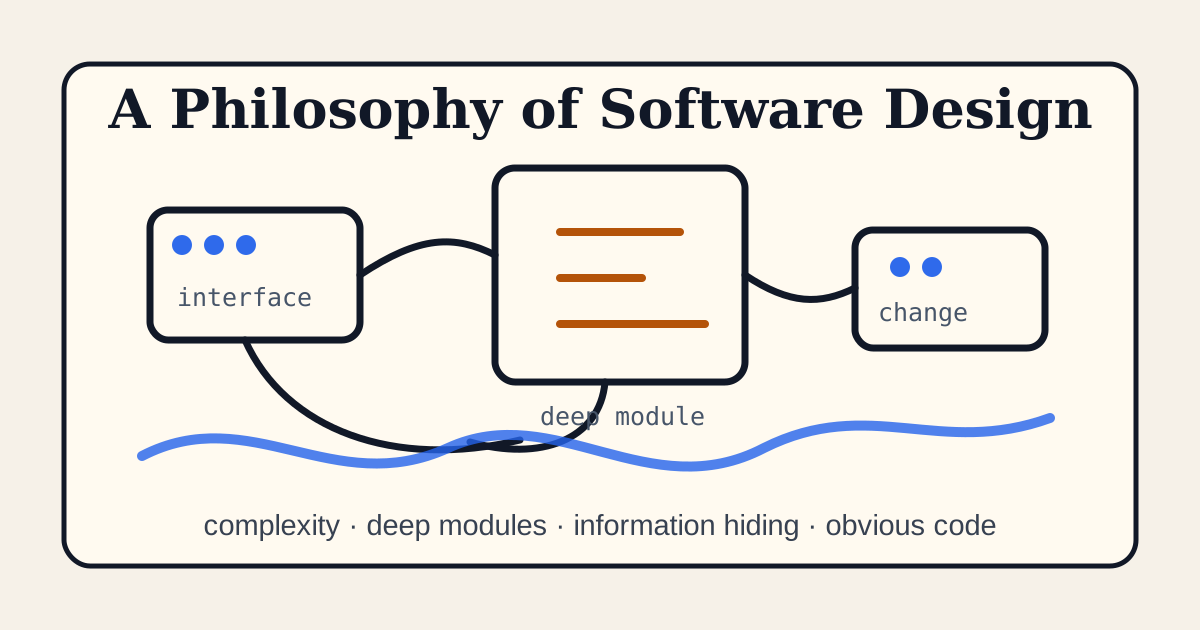
Book Note: A Philosophy of Software Design Part 4 - Each Layer Must Carry a Different Abstraction
A reading of pass-through layers, distinct abstractions, and the practice of pulling complexity downward.
Open notes for agentic learning
AI agent lab notes, learning workflows, PKM systems, and blog operations.
A reading of pass-through layers, distinct abstractions, and the practice of pulling complexity downward.
A reading of non-obvious comments, interface documentation, and precise names as tools for shaping the reader's model.
코드를 반복하지 않는 주석, 인터페이스 문서화, 정확한 이름 짓기를 통해 읽는 사람의 사고 모델을 만든다.
A reading of writing comments first, modifying existing code, and consistency as practices that keep design stable over time.
주석 먼저 쓰기, 기존 코드 수정, 일관성을 통해 설계가 시간이 지나도 흐트러지지 않는 조건을 정리한다.
A reading of code obviousness and software trends such as OOP, agile, tests, TDD, and design patterns through the lens of design judgment.
코드의 명백성, OOP와 애자일, 테스트와 패턴 같은 소프트웨어 유행을 설계 원칙의 관점에서 재검토한다.
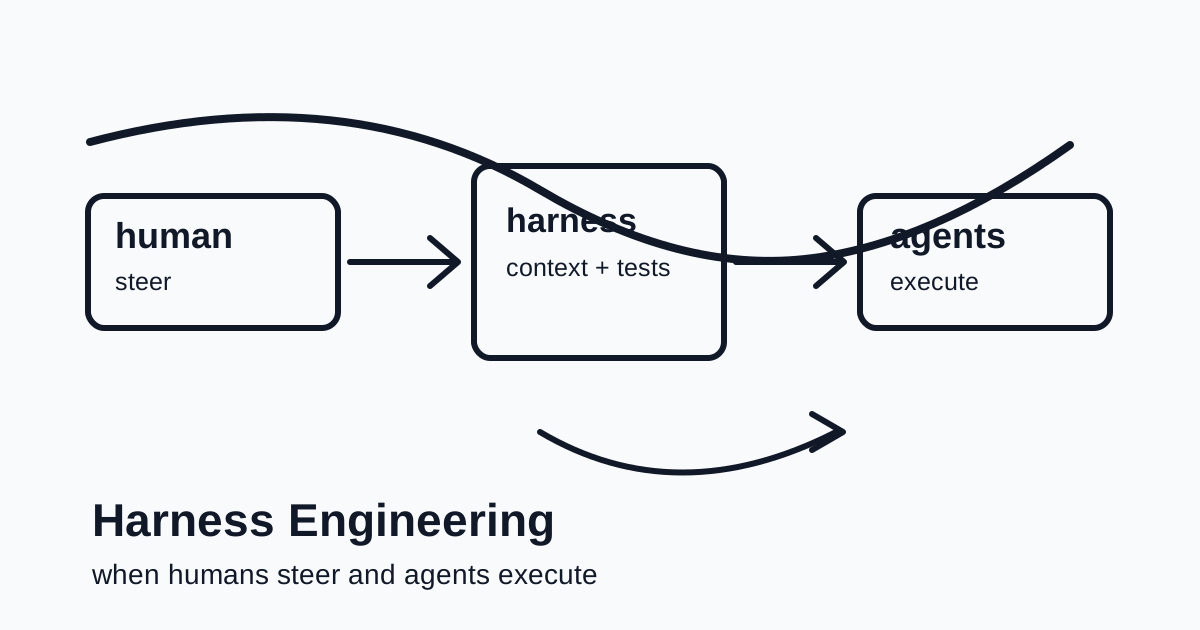
인간 개발자의 동기식 개입을 줄이고 에이전트의 실행력을 극대화하기 위한 정밀한 통제 인프라, '하네스 엔지니어링'의 핵심 설계 전략.
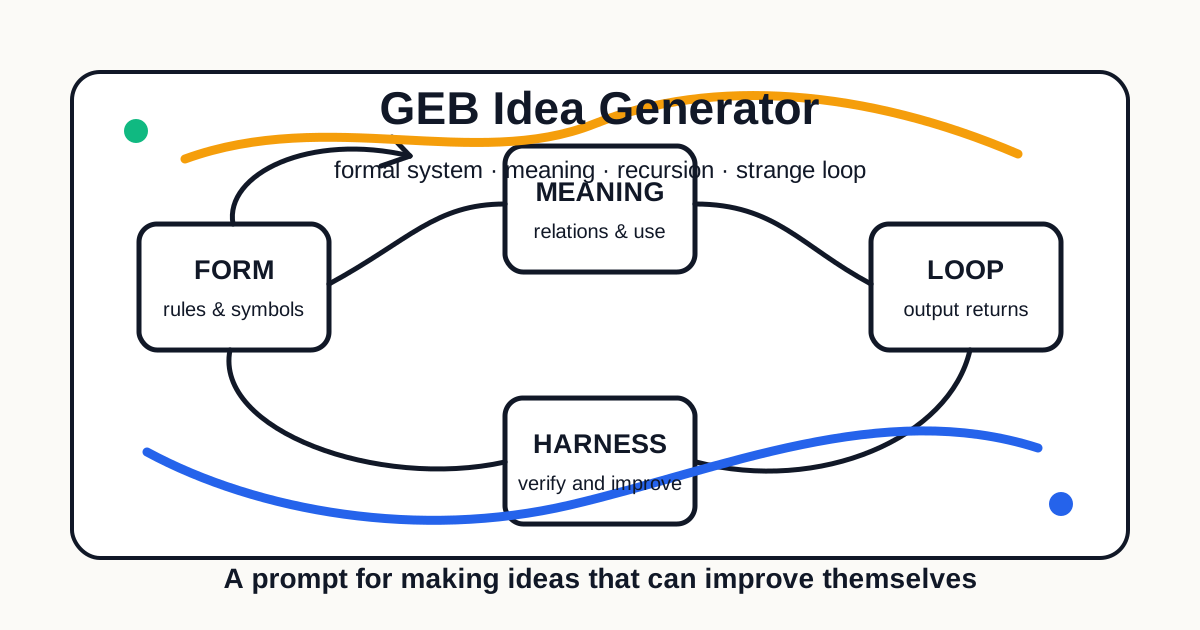
A reusable metaprompt drawn from Gödel, Escher, Bach: formal systems, meaning, recursion, self-reference, strange loops, and practical automation for writing, apps, lessons, and academy operations.
괴델, 에셔, 바흐에서 얻은 형식 체계, 의미, 재귀, 자기참조, 이상한 루프의 통찰을 블로그·앱·수업·학원 운영 자동화에 쓰는 메타프롬프트로 정리합니다.