
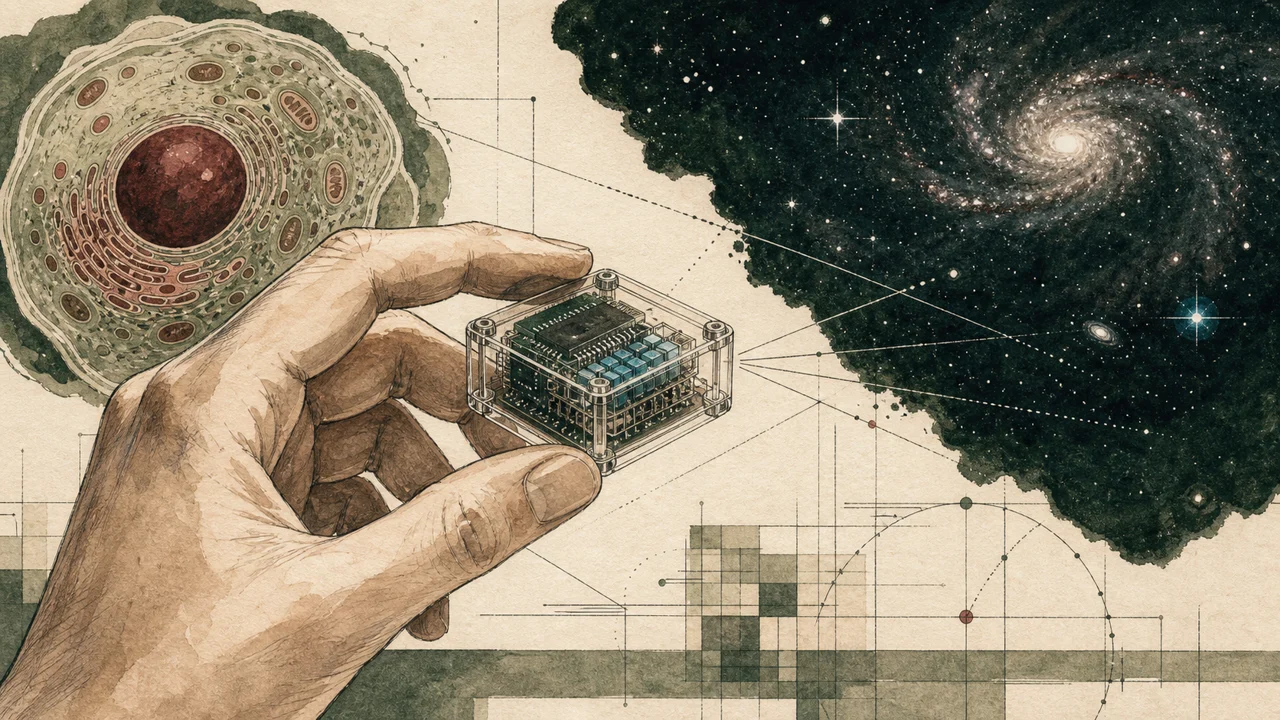
수능 영어에서 “사물인터넷과 연결 시스템” 주제는 용어 암기에서 끝나지 않고 낯선 지문의 논리를 빠르게 잡는 배경지식이 됩니다. 이 수업은 “사물이 직접 현실 데이터를 수집하면 인터넷의 역할과 인간의 노동은 어떻게 달라지는가”이라는 질문에서 출발해 영어 원문, 구조 지도, 수능형 추론 문제를 한 흐름으로 연결합니다.
학습 안내
| 항목 | 내용 |
|---|---|
| 추천 대상 | 고3 · CEFR B2-C1 |
| 배경지식 영역 | 과학·기술 |
| 핵심 질문 | 사물이 직접 현실 데이터를 수집하면 인터넷의 역할과 인간의 노동은 어떻게 달라지는가? |
| 학습 순서 | 개념 미리보기 → 영어 지문 듣기·읽기 → 구조 분석 → 수능형 문제 → 해설 |
| 예상 학습 시간 | 20 min |
Background Preview
사물인터넷은 단순히 가전제품을 인터넷으로 조작하는 기술이 아닙니다. 핵심은 현실 세계의 사물이 센서와 임베디드 컴퓨팅을 통해 스스로 데이터를 포착하도록 만드는 데 있습니다. 케빈 애슈턴의 설명은 사람을 정보 입력의 필수 중간자로 두었던 기존 인터넷과, 사물이 직접 연결되는 시스템의 차이를 보여 줍니다.
중심 질문: 사물이 직접 현실 데이터를 수집하면 인터넷의 역할과 인간의 노동은 어떻게 달라지는가?
Read And Listen
- You invented the term ‘Internet of Things(IoT)’. How did you invent it? Do you have any specific story or episode?
The phrase “Internet of Things” started life as the title of a presentation I made when I was a Brand Manager at Procter & Gamble (P&G) in 1999. Linking the then-unheard-of idea of putting wireless sensors on P&G’s products to the then-red-hot topic of the Internet was a good way to get executive attention. Everyone was talking about the Internet. I was part of a smaller group of people who were interested in sensors and embedding computer-like capabilities into things that weren’t computers, and we used the word “things” quite a lot. So I connected the two concepts using the word “of,” to communicate my idea that everyday objects should connect to the Internet. This was radical at the time. A lot of people were still accessing the Internet using dial-up, nobody was using WiFi, and cell phones were still fairly new and quite primitive-there were no smart phones or Blackberries, and the most popular handheld device was probably the Palm Pilot, which had no radio and was synced using a cradle. So, the idea of connecting anything but computers to the Internet was very new.
- What is the IoT do you think? How will the IoT technology change the world?
Today computers-and, therefore, the Internet-are almost wholly dependent on human beings for information. Nearly all of the roughly 3 zettabytes (3 billion gigabytes) of data available on the Internet were first captured and created by human beings-by typing, pressing a record button, taking a digital picture or scanning a bar code. Conventional diagrams of the Internet include servers and routers and so on, but they leave out the most numerous and important routers of all: people. The problem is, people have limited time, attention and accuracy-all of which means they are not very good at capturing data about things in the real world. The Internet of Things solves that problem by using machines-sensors, and other embedded computing- to capture all that real world data instead of relying on people to do it, or instead of not doing it all.
3.How will the IoT transform the individual lives?
In general, most technology either helps us to travel faster (e.g. trains, cars), or to communicate farther (e.g. cell phones, email), or it makes us healthier (e.g. medicine, plumbing), or it helps us to discover things (e.g. microscopes, telescopes) or it reduces manual and mental labor (e.g. washing machines, calculators). IoT is mainly in the last two categories-it helps us discover things (for example, we left the light on or we forgot our keys) and reduces manual and mental labor (for example, manually checking inventory in a store or warehouse.) The result of all this is more efficient and accurate data capture, and many orders of magnitude more data about the real world.
Shadowing Focus
- So I connected the two concepts using the word “of,” to communicate my idea that everyday objects should connect to the Internet.
- So, the idea of connecting anything but computers to the Internet was very new.
- Today computers-and, therefore, the Internet-are almost wholly dependent on human beings for information.
- The problem is, people have limited time, attention and accuracy-all of which means they are not very good at capturing data about things in the real world.
- The result of all this is more efficient and accurate data capture, and many orders of magnitude more data about the real world.
Structure Map
| 요소 | 핵심 내용 |
|---|---|
| Topic | 사물인터넷이라는 명칭의 탄생과 현실 데이터 수집 방식의 변화 |
| Thesis | IoT는 센서와 임베디드 컴퓨팅이 사람 대신 현실 데이터를 포착하게 하여 발견과 노동 절감을 확대한다. |
| Evidence | 1999년 P&G 발표, 인간이 생성한 인터넷 데이터, 재고 확인과 열쇠 분실 같은 사례 |
| Contrast | 컴퓨터만 연결되던 초기 인터넷과 일상 사물이 연결되는 IoT |
| Concession | 기존 인터넷에서도 사람은 사진, 입력, 스캔을 통해 막대한 데이터를 만들었다. |
| Conclusion | 자동 데이터 수집은 더 정확하고 방대한 현실 정보를 제공한다. |
문단별 기능
- 문답 1: 용어가 만들어진 역사적 맥락과 당시 아이디어의 급진성을 설명한다.
- 문답 2: 인간 의존적 데이터 입력의 한계를 진단하고 IoT의 해결 원리를 제시한다.
- 문답 3: 발견과 노동 절감이라는 개인 생활의 효과로 논의를 구체화한다.
B2-C1 어휘와 구문
- then-unheard-of: 당시에는 전례가 없고 거의 알려지지 않은
- embed capabilities: 기능을 사물 내부에 내장하다
- wholly dependent on: 전적으로 의존하는
- capture data: 현실의 상태를 데이터로 포착하다
- orders of magnitude: 자릿수가 달라질 정도의 큰 규모 차이
all of which means ...: 앞의 여러 한계를 한꺼번에 받아 결과를 설명하는 관계절 구조instead of relying on people to do it: 기존 방식 대신 선택되는 대안을 제시하는 구조
CSAT Challenge
1. 빈칸 추론
윗글의 논지에 비추어 볼 때, 다음 빈칸에 들어갈 말로 가장 적절한 것은?
The central shift introduced by IoT is that real-world information can be ______.
① captured directly by sensors rather than first entered by people
② reduced until only computers can understand it
③ kept offline to protect traditional routers
④ produced only when users scan a bar code
⑤ limited to travel and communication technologies
2. 글의 순서
다음은 윗글의 전개를 요약한 것이다. (A)~(C)를 글의 흐름에 맞게 배열한 것으로 가장 적절한 것은?
(A) The speaker explains how automatic capture improves discovery and reduces labor.
(B) The origin of the term is linked to putting sensors into ordinary products.
(C) Human attention and accuracy are identified as limits on Internet data collection.
① (A) - (B) - (C)
② (B) - (A) - (C)
③ (B) - (C) - (A)
④ (C) - (A) - (B)
⑤ (C) - (B) - (A)
3. 함축 의미
윗글에서 the most numerous and important routers of all: people이 의미하는 바로 가장 적절한 것은?
① 사람의 신체가 인터넷 케이블을 물리적으로 대체한다.
② 기존 인터넷의 정보는 대부분 사람이 포착하고 입력해 전달했다.
③ 서버보다 사람이 더 빠르게 모든 데이터를 계산한다.
④ IoT는 사람의 정보 이용을 완전히 금지한다.
⑤ 라우터 설계도에는 반드시 개인 이름을 표시해야 한다.
Answer Lab
정답과 근거 분석 보기
1. 빈칸 추론
정답: ①
- 근거: 글은 사람이 타이핑하거나 촬영하던 현실 데이터를 센서와 임베디드 컴퓨팅이 대신 포착하는 것을 IoT의 해결책으로 제시합니다.
- ①: 사람 의존에서 기계의 직접 포착으로 이동하는 핵심을 담습니다.
- ②: 데이터 축소나 기계만의 독점을 주장하지 않습니다.
- ③: IoT의 목적은 사물을 인터넷에 연결하는 것이므로 오프라인화와 반대입니다.
- ④: 바코드 스캔은 기존 인간 입력 방식의 한 예일 뿐입니다.
- ⑤: IoT는 발견과 노동 절감에 주로 속한다고 했지만 적용을 그 둘로 제한하지 않습니다.
2. 글의 순서
정답: ③ (B) - (C) - (A)
- 근거: 용어의 탄생(B), 인간 중심 데이터 수집의 문제(C), 생활 속 효과(A)의 문답 순서로 전개됩니다.
- ①: 효과를 기원보다 먼저 제시합니다.
- ②: 문제 진단을 마지막으로 보내 해결과 효과의 인과를 끊습니다.
- ③: 역사적 배경, 문제, 결과의 흐름과 일치합니다.
- ④: 문제에서 시작하지만 용어의 기원을 결론 뒤로 미룹니다.
- ⑤: 문제와 기원의 순서가 원문과 반대입니다.
3. 함축 의미
정답: ②
- 근거: 이어지는 설명은 인터넷 데이터가 타이핑, 녹음, 촬영, 스캔 등 인간의 행위로 생성되었다고 밝힙니다. 사람을 정보 전달의 핵심 경로에 비유한 것입니다.
- ①: 물리적 라우터가 아니라 정보 포착과 입력 역할에 대한 비유입니다.
- ②: 비유의 기능을 정확히 설명합니다.
- ③: 계산 속도 비교는 제시되지 않습니다.
- ④: IoT는 인간을 배제하는 것이 아니라 반복적인 포착 부담을 줄입니다.
- ⑤: 설계도 표기 방식에 대한 주장이 아닙니다.
교사용 설명
학생이 IoT를 ‘원격 제어 기기’로만 좁혀 읽지 않도록 capture의 주체 변화에 주목하게 하세요. 2번 문답에서 사람은 보이지 않는 라우터이고, 센서는 그 역할 일부를 넘겨받습니다. 3번 문답의 발견과 노동 절감은 이 주체 변화가 낳는 결과입니다.
Knowledge Links
- 빅데이터와 과학이론의 역할 - 센서가 늘린 데이터와 설명 이론의 관계를 살펴봅니다.
- 인공지능과 기계 사고 - 자동화된 정보 처리의 판단 기준을 연결합니다.
- 생체모방과 청색기술 - 연결 기술과 자연 기반 설계라는 서로 다른 혁신 경로를 비교합니다.
이전: 빅데이터와 과학이론의 역할
자주 묻는 질문
“사물인터넷과 연결 시스템” 주제는 수능 영어에서 어떻게 활용되나요?
“사물이 직접 현실 데이터를 수집하면 인터넷의 역할과 인간의 노동은 어떻게 달라지는가”에 답할 때는 원인과 결과, 대조, 사례, 함축 의미 속에서 사물인터넷과 연결 시스템의 논리를 따라가야 합니다. 개념명보다 사물인터넷과 연결 시스템 글의 필자가 어떤 근거로 결론에 도달하는지 표시하세요.
Internet of Things and Connected Systems 지문은 어떤 순서로 공부하면 좋나요?
먼저 “사물이 직접 현실 데이터를 수집하면 인터넷의 역할과 인간의 노동은 어떻게 달라지는가”이라는 중심 질문을 확인하고 영어 지문을 소리 내어 읽습니다. 그다음 사물인터넷과 연결 시스템 구조 지도를 가리고 Topic, Thesis, Evidence를 직접 적은 뒤 수능형 문제와 해설로 추론이 맞았는지 확인하세요.