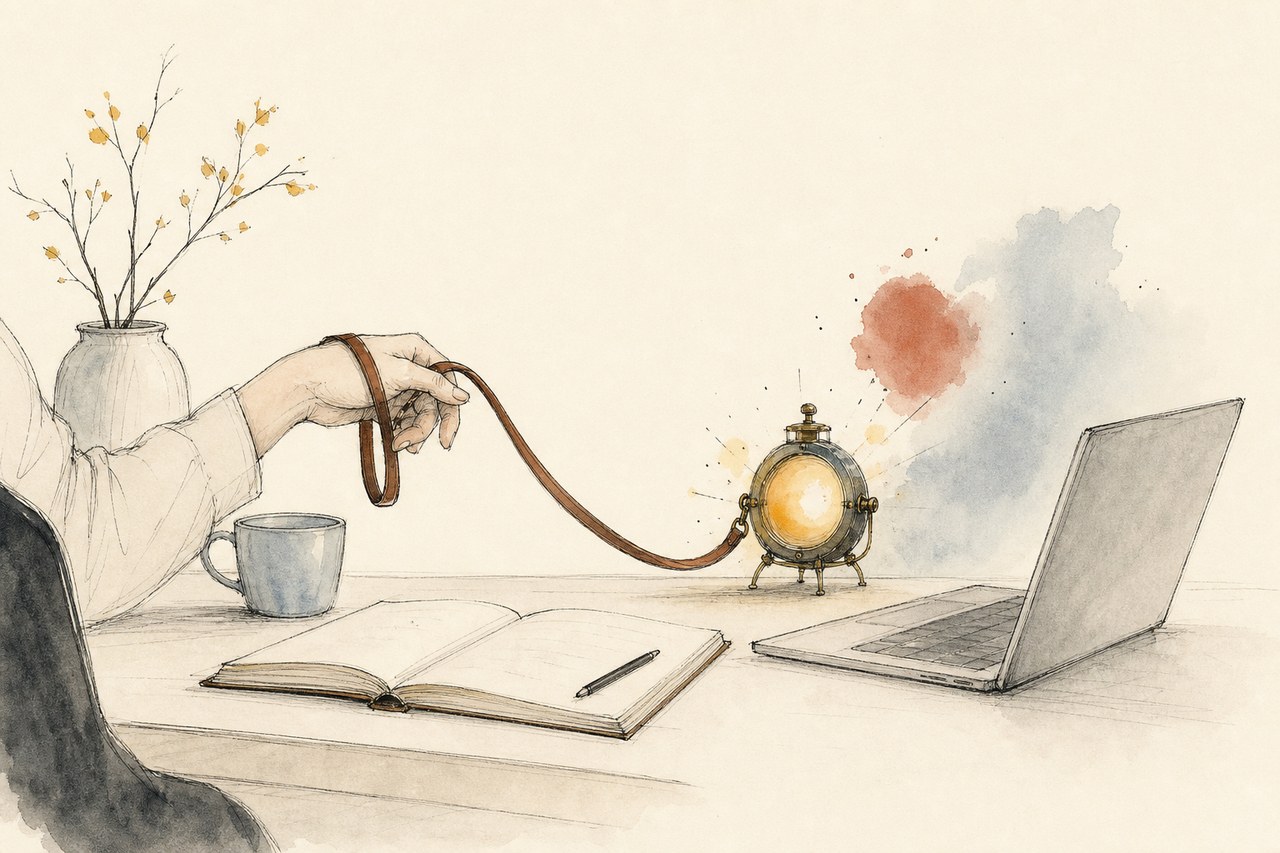
The power is already here. What is missing is direction.
Morning
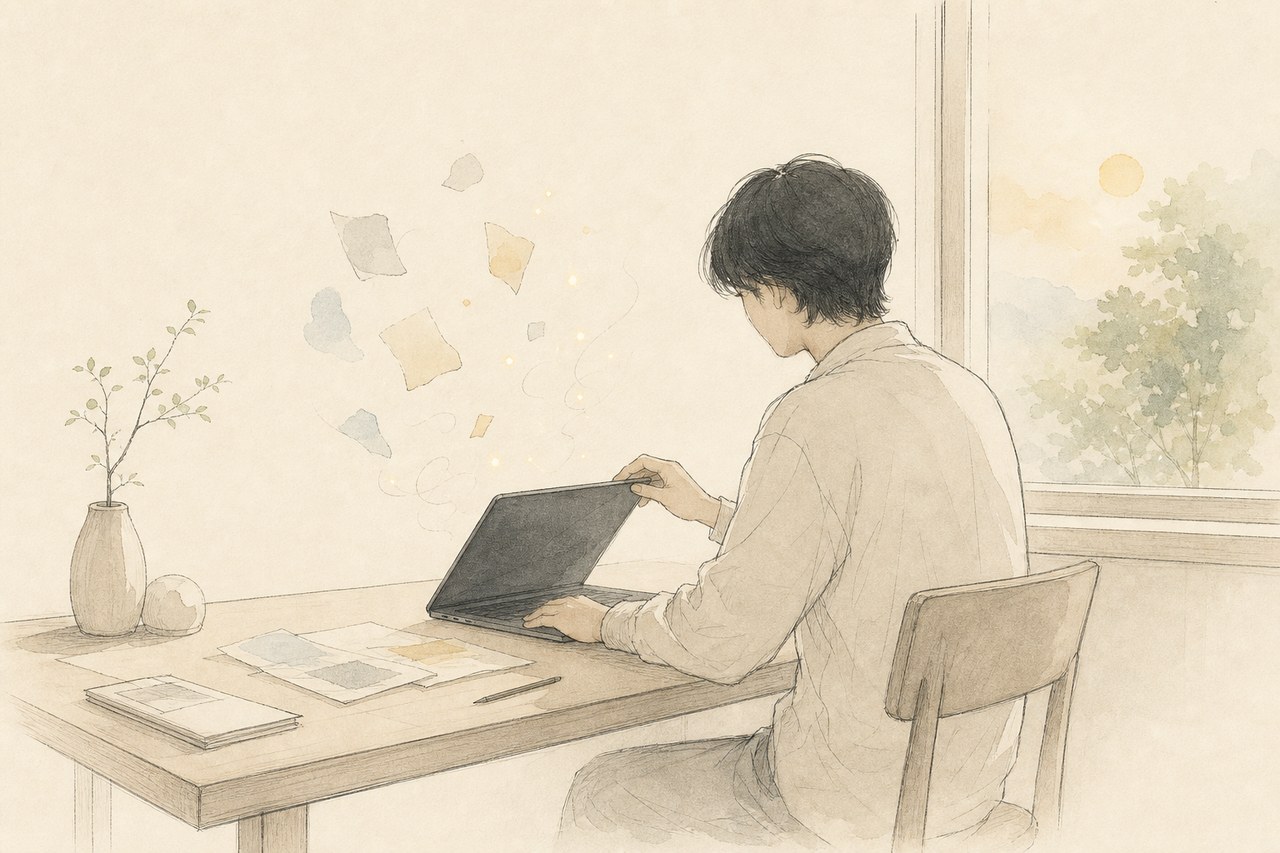
Morning.
You open the laptop. The screen lights up, and the thoughts scattered across last night rise again: the paper you read, the link you saved, the half-written memo, the project folder with only a name.
You no longer write alone. You ask, and the machine answers. You instruct, and the machine drafts. You throw in one sentence, and the screen returns an article, code, a table, and a summary.
At first, it looks like liberation.
You can write faster. You can make more. You can search more widely. Work that once took days now takes shape in minutes.
But at some point, something strange happens.
The outputs multiply, but the direction becomes blurry. The saved notes grow, but it becomes harder to tell which thought is yours. The tool grows smarter, yet you find yourself asking more often:
“Why was I doing this?”
What you need then is not a stronger model. It is not faster automation. What you need is a rein. Not a rein that blocks power, but one that keeps power from losing direction.
I call that a harness.
When the Horse Was Choked by the Yoke
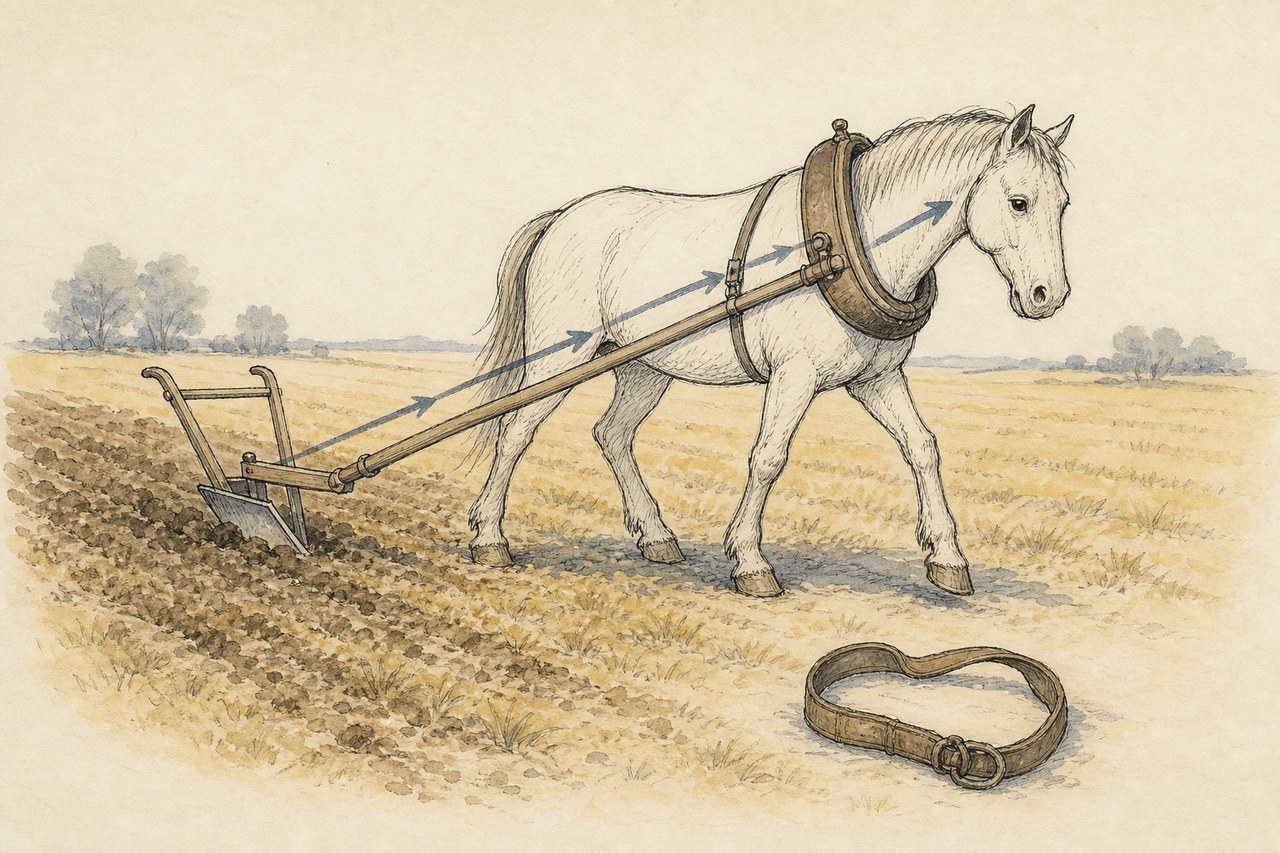
Long ago, people used horses for work. Horses were faster than oxen and could travel farther. But when people put an ox’s yoke on a horse, the strap pressed against the horse’s throat. The animal had power, but the structure gave that power no proper path.
Then someone designed a device that moved the force from the neck to the shoulders. It was a structure that understood the horse’s body. From then on, the horse’s strength flowed into the ground without choking the animal. Fields were plowed more deeply, and carts moved farther.
The problem was not that the horse lacked strength. The problem was that the structure receiving the strength was wrong.
Our use of AI today resembles this.
The models are already strong enough. They write, code, draw, summarize, plan, compare, and suggest alternatives. Yet we often pull this power by the throat: improvised questions, careless copying, unverified saving, contextless automation.
Then AI does not assist us. It drags us.
A harness is not a device that weakens power. It is a device that makes power pass through human judgment. The same horse becomes dangerous when choked by the neck and useful when fitted with a proper shoulder harness.
AI is no different.
The Person Tied to the Mast
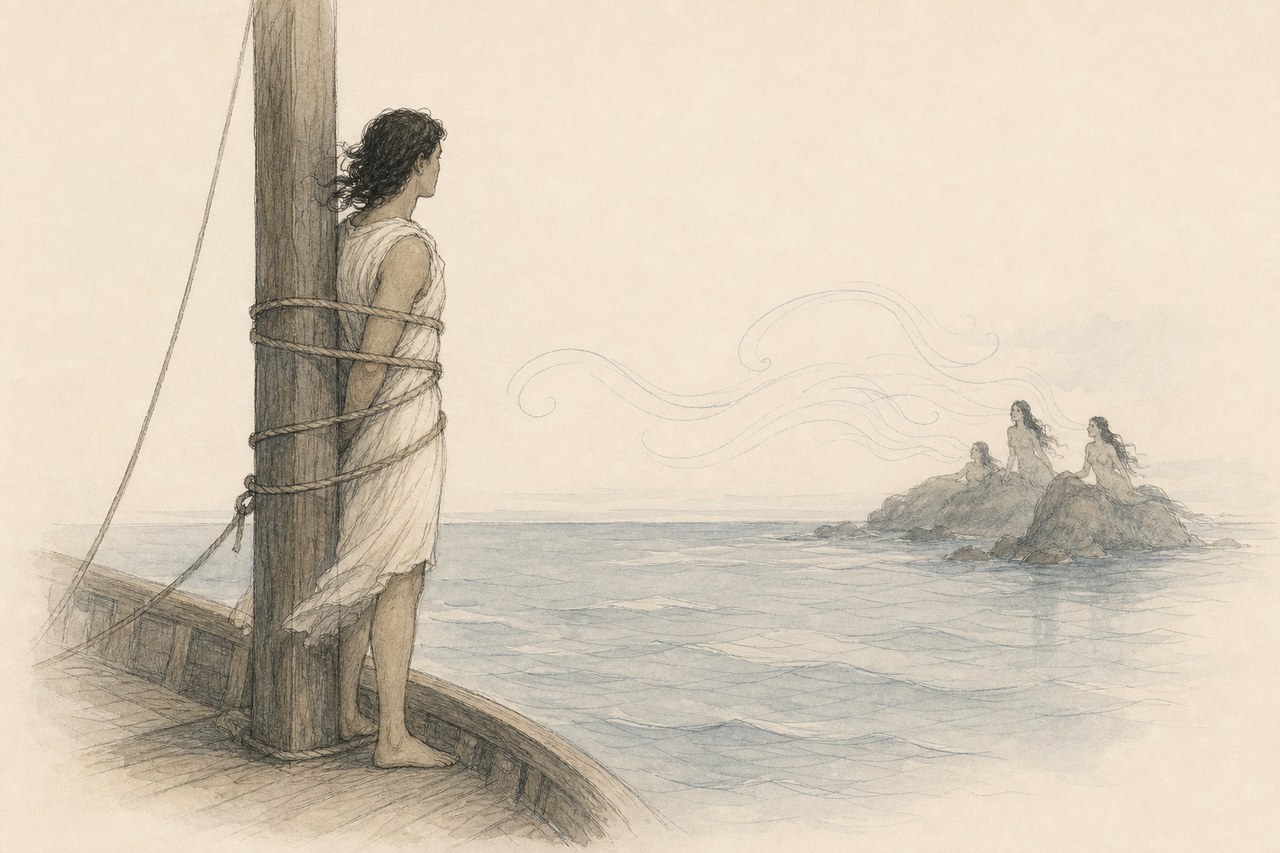
A harness is not only an external constraint. Sometimes it is the art of binding oneself.
Odysseus wanted to hear the Sirens’ song. But he also knew that following it would wreck the ship. So he told the sailors to tie him to the mast. The sailors, with their ears blocked, rowed on. Odysseus, bound in place, heard the song.
He was not giving up freedom. He was binding his present self to protect a larger freedom.
The AI-era harness works in a similar way.
We can ask models to do almost anything. That is why the situation is dangerous. We can make them write more, research more widely, build larger code, and open more possibilities with a single click.
But more possibility also means more direction. And when there are too many directions, judgment tires quickly.
So we must bind the work in advance.
What will count as input? What shape should the answer take? By what criteria will it be reviewed? At what point must the system ask a human again? What should not be automated?
These are not rules that kill creativity. They are the mast that keeps creativity from fleeing the ship.
Saving Is Not Memory
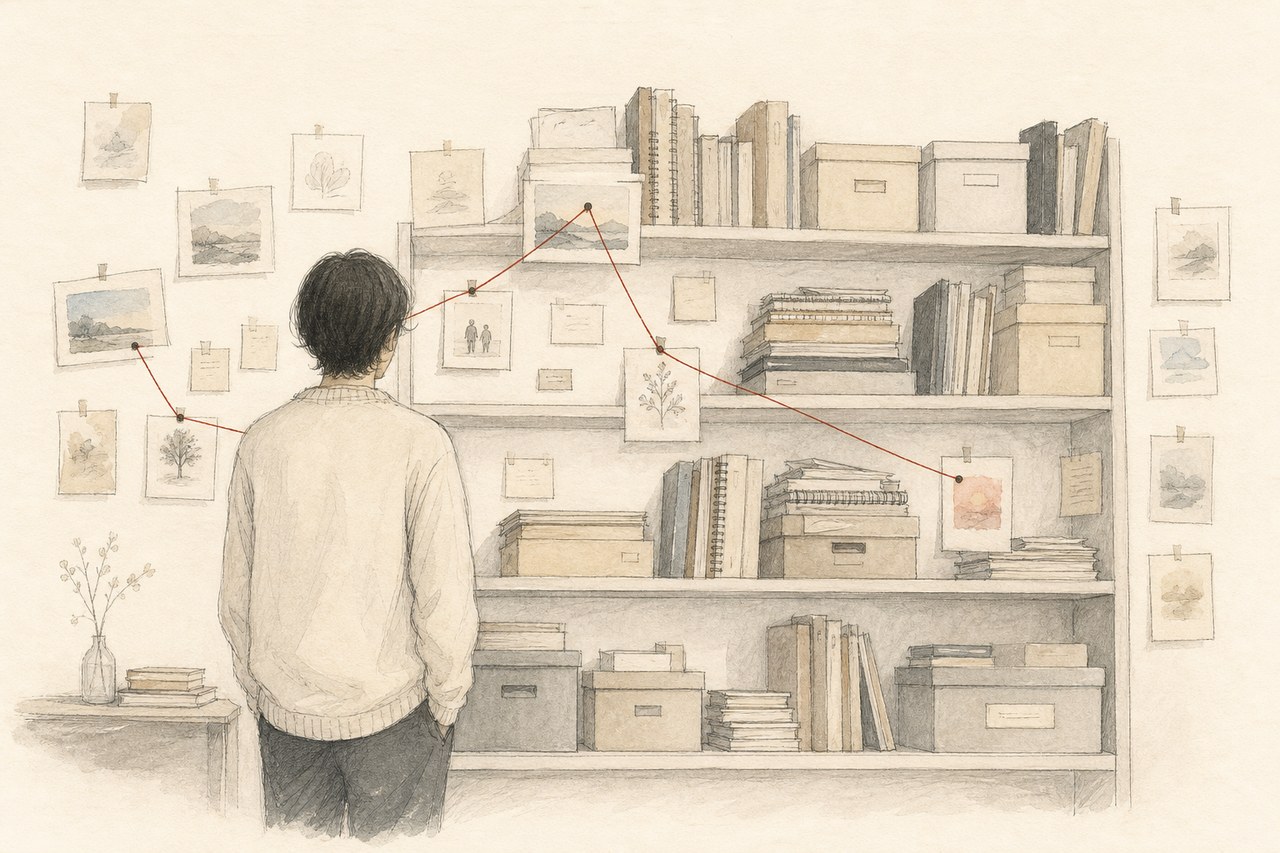
We save too easily.
We save a good sentence. We save a useful prompt. We save a promising tool. We save a lecture.
But saving is not memory.
Memory exists when something can be recalled and used. It becomes memory when you know when to retrieve it, why you saved it, and how it connects to the problem in front of you.
Plato was suspicious of writing. Writing seemed to help memory, but he feared it could provide only the shadow of memory. A person might think they know something even when the knowledge is not alive within them.
Today’s digital notes carry the same risk.
An Obsidian vault grows. Bookmarks accumulate. PDFs enter folders. Prompts remain in an archive. But if none of this moves thought again, it is not knowledge. It is sediment.
LLM Wiki is one way to address this problem.
It does not merely pile up documents. It creates nodes. It creates relations among nodes. It records which article gave birth to which concept, which prompt led to which task, and which failure produced which rule.
But even an LLM Wiki is not enough by itself. Connected knowledge needs a harness if it is to become action.
The notes become a storehouse of memory. The harness becomes the handle that lets memory work again.
The House of Discipline
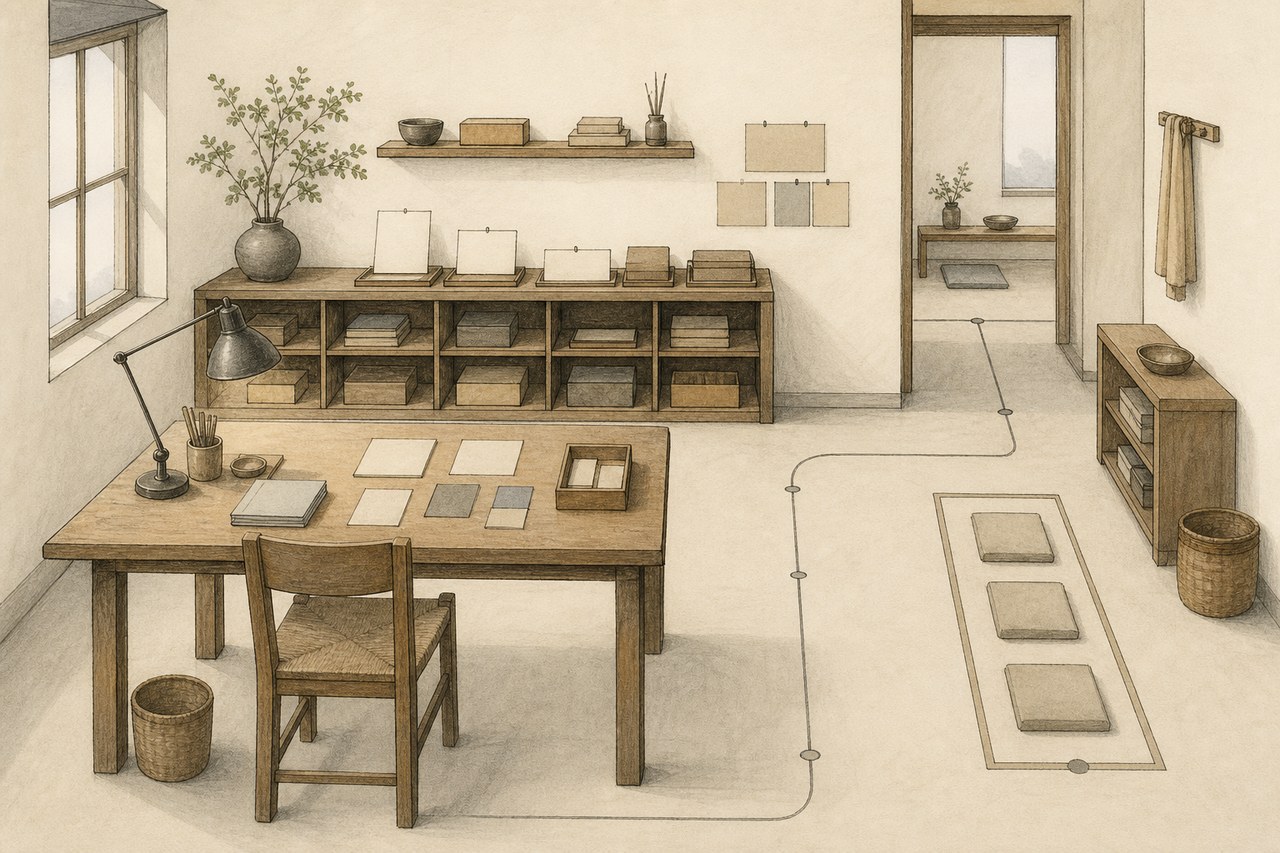
A good harness is not a bundle of commands. It is a house of discipline.
For a monastery to sustain a day, prayer times are not enough. It needs working hours, periods of silence, meals, rules for copying manuscripts, ways of receiving guests, and habits for handling books. Rules do not exist to shrink life. They exist so the strength of each day does not scatter.
A blog is similar.
You write. You make images. You attach audio. You translate. You connect links. You organize tags. You deploy. You verify. You revise.
If all of this begins from zero every time, exhaustion follows quickly. A flow is needed.
Where does the draft begin? Which folder holds posts ready for publication? Where do the images live? How should audio files be named? What URL should the translation use? What must be checked before deployment?
A harness is the repeatable answer to these questions.
That is why a harness is both technical documentation and a document of daily life. It is an automation script and a design for habit. It is a prompt and a workbench.
It keeps you from having to make the same resolution again and again.
The Human Place
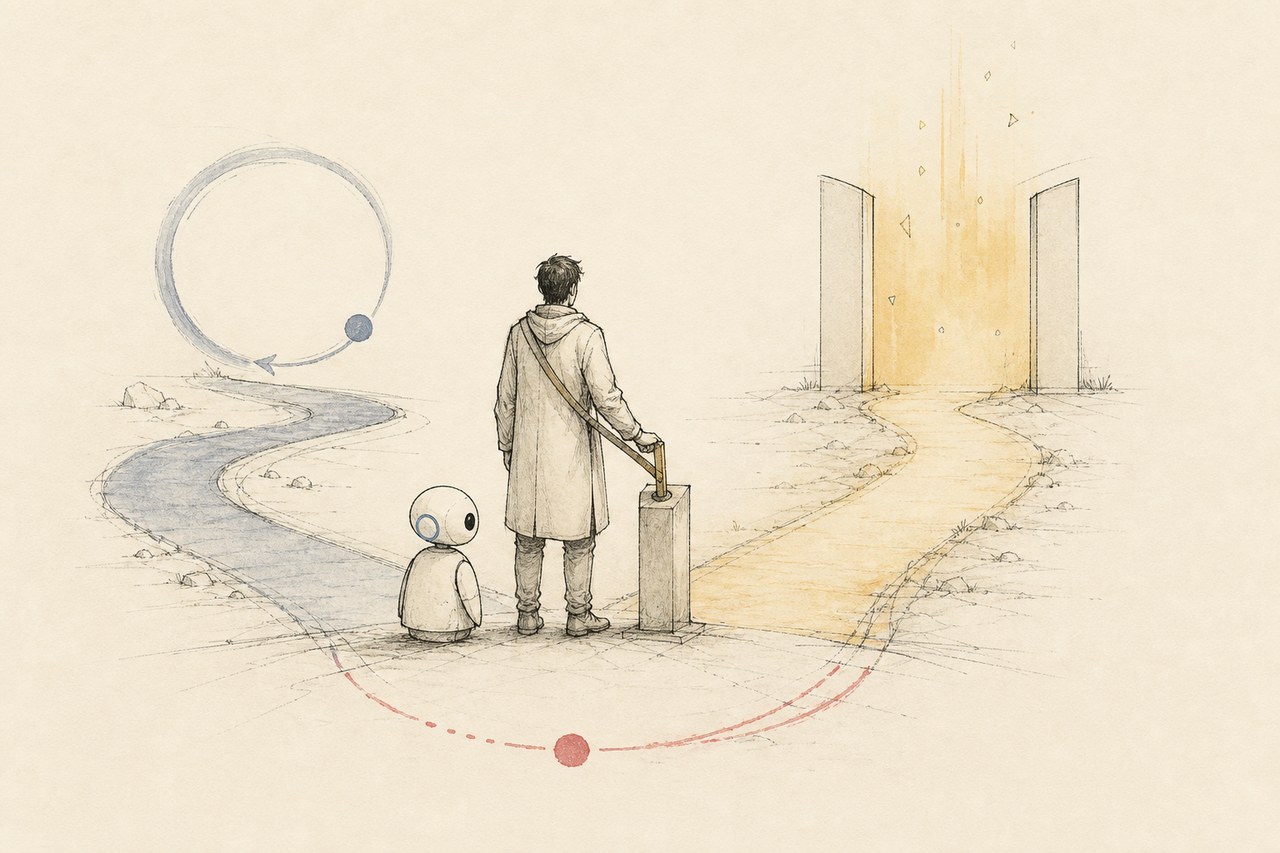
The stronger the harness becomes, the more important one question remains.
Where should the human stand?
If everything can be automated, is the human merely the person who presses the final approval button? If AI drafts, reviews, revises, and deploys, where does the human bear responsibility?
I do not think the human place disappears. I think it becomes clearer.
A person does not need to write every sentence by hand. A person does not need to draw every image directly. A person does not need to type every line of code.
But the person must choose the direction. The person must decide what will be published. The person must judge what can go out under their name. The person must know which automations should stop.
The point of a harness is not to push the human out of the work. It is to return the human to the place of judgment.
AI is power. Harness is direction. The human is responsibility.
When these three are separated, automation becomes dangerous. When they are connected, automation becomes a tool.
Morning Again
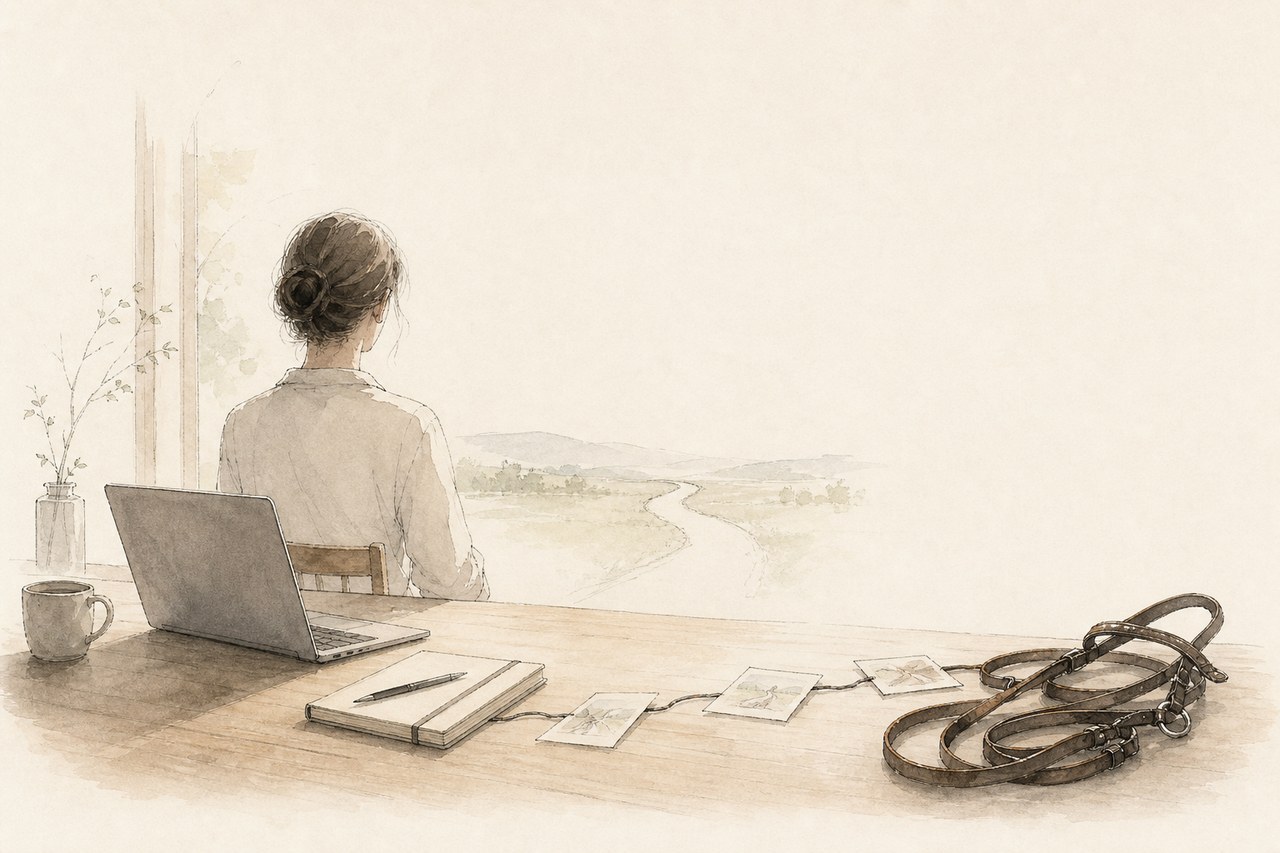
Morning again.
You open the laptop. The screen lights up.
But this time, something is different.
You know where today’s article should begin. You know which node the saved note connects to. You know where the image belongs. You know what must be checked before deployment.
You also know what to delegate to AI. And you know what not to delegate.
Having a harness does not mean everything happens automatically. It means the opposite. It means you can distinguish what may be automated from what the human must hold.
The hand on the reins does not hate the horse. It holds the reins because it trusts the horse’s strength.
AI is the same.
The power is already here. What we need now is not more power, but a structure through which that power can pass.
When we build that structure, we stop being users dragged by tools. We become workers with direction.
That is harness.
And perhaps it is one way writing, coding, and personal knowledge management can become human work again.
This essay rewrites the concept of harness from Kang Dongmin’s 「당신의 AI는 아직 비서다」 (Your AI Is Still an Assistant, 2026). In that framing, a harness is not mere restriction. It is a device that integrates AI autonomy into human judgment, responsibility, and verification. Here I have unfolded the concept as a prose essay about writing, coding, and personal knowledge management.
Source
- 강동민, 「당신의 AI는 아직 비서다」
댓글
GitHub 계정으로 의견을 남길 수 있습니다. 댓글은 GitHub Discussions에 저장됩니다.