
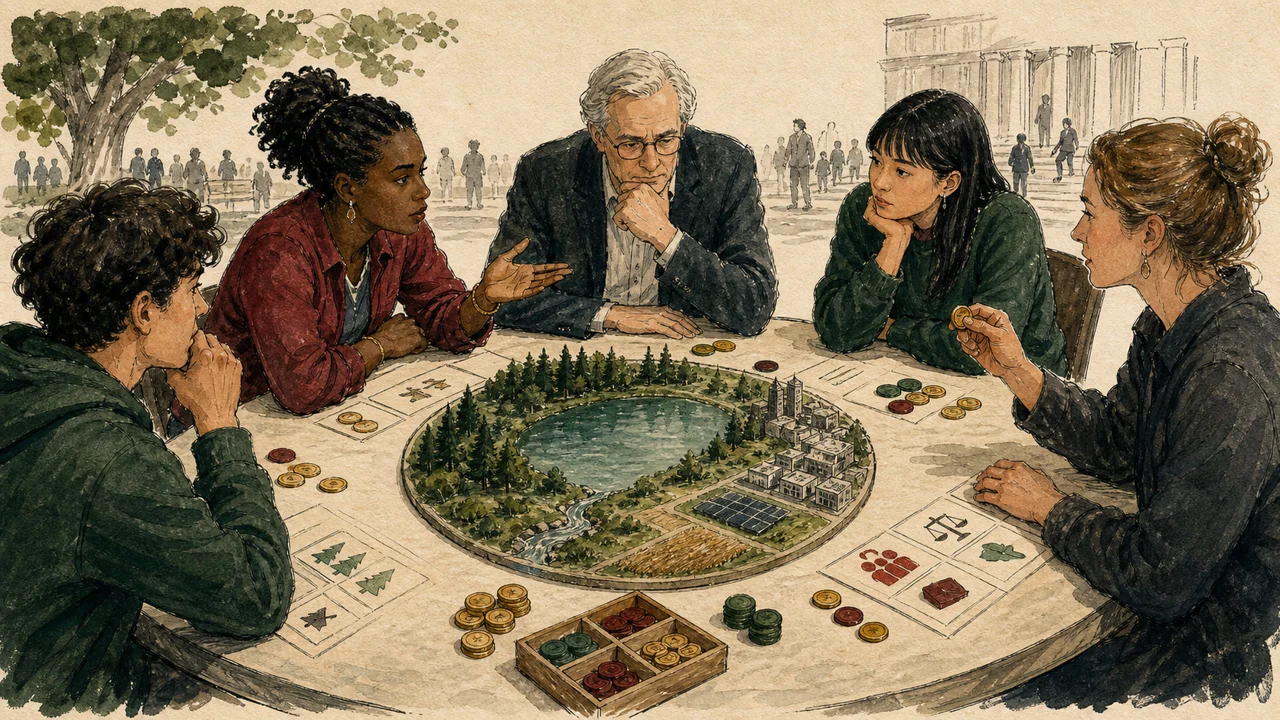
수능 영어에서 “약한 연결과 사회자본” 주제는 용어 암기에서 끝나지 않고 낯선 지문의 논리를 빠르게 잡는 배경지식이 됩니다. 이 수업은 “왜 친한 친구보다 가끔 만나는 지인이 새로운 기회를 더 잘 전달하며, 약한 연결의 심리적 장벽은 어떻게 넘을 수 있는가”이라는 질문에서 출발해 영어 원문, 구조 지도, 수능형 추론 문제를 한 흐름으로 연결합니다.
학습 안내
| 항목 | 내용 |
|---|---|
| 추천 대상 | 고3 · CEFR B2-C1 |
| 배경지식 영역 | 사회·경제 |
| 핵심 질문 | 왜 친한 친구보다 가끔 만나는 지인이 새로운 기회를 더 잘 전달하며, 약한 연결의 심리적 장벽은 어떻게 넘을 수 있는가? |
| 학습 순서 | 개념 미리보기 → 영어 지문 듣기·읽기 → 구조 분석 → 수능형 문제 → 해설 |
| 예상 학습 시간 | 20 min |
Background Preview
강한 연결은 신뢰와 정서적 지지를 제공하지만 대체로 같은 정보 환경을 공유한다. 반면 약한 연결(weak ties)은 서로 다른 집단을 잇는 다리로서 새로운 일자리와 정보를 가져온다. 이것이 사회자본의 중요한 형태인 이유는 관계의 친밀도보다 네트워크에서 차지하는 위치가 정보의 새로움을 결정할 수 있기 때문이다.
중심 질문: 왜 친한 친구보다 가끔 만나는 지인이 새로운 기회를 더 잘 전달하며, 약한 연결의 심리적 장벽은 어떻게 넘을 수 있는가?
Read And Listen
[Ⅰ] One of Adam Rifkin’s maxims is “I believe in the strength of weak ties.” It’s in homage to a classic study by the Stanford sociologist Mark Granovetter. Strong ties are our close friends and colleagues, the people we really trust. Weak ties are our acquaintances, the people we know casually. Testing the common assumption that we get the most help from our strong ties, Granovetter surveyed people in professional, technical, and managerial profess‒ ions who had recently changed jobs. Nearly 17 percent heard about the job from a strong tie. Their friends and trusted colleagues gave them plenty of leads. [Ⅱ] But surprisingly, people were significantly more likely to benefit from weak ties. Almost 28 percent heard about the job from a weak tie. Strong ties provide bonds, but weak ties serve as bridges: they provide more efficient access to new information. Our strong ties tend to travel in the same social circles and know about the same opportunities as we do. Weak ties are more likely to open up access to a different network, facilitating the discovery of original leads. [Ⅲ] Here’s the wrinkle: it’s tough to ask weak ties for help. Although they’re the faster route to new leads, we don’t always feel comfortable reaching out to them. The lack of mutual trust between acquaintances creates a psychological barrier. But givers like Adam Rifkin have discovered a loophole. It’s possible to get the best of both worlds: the trust of strong ties coupled with the novel information of weak ties. The key is reconnecting, and it’s a major reason why givers succeed in the long run.
Shadowing Focus
- Strong ties are our close friends and colleagues, the people we really trust.
- Weak ties are our acquaintances, the people we know casually.
- But surprisingly, people were significantly more likely to benefit from weak ties.
- Strong ties provide bonds, but weak ties serve as bridges: they provide more efficient access to new information.
- Weak ties are more likely to open up access to a different network, facilitating the discovery of original leads.
Structure Map
핵심 구조
| 요소 | 내용 |
|---|---|
| Topic | 약한 연결이 새로운 정보와 기회를 제공하는 이유 |
| Thesis | 강한 연결은 결속을 만들고 약한 연결은 서로 다른 네트워크 사이의 정보 다리가 된다. |
| Evidence | 구직자의 약 17%는 강한 연결에서, 약 28%는 약한 연결에서 일자리 정보를 얻었다. |
| Contrast | 강한 연결의 신뢰와 약한 연결의 새로운 정보가 대조된다. |
| Concession | 약한 연결에는 상호 신뢰 부족 때문에 도움을 요청하기 어렵다는 장벽이 있다. |
| Conclusion | 재연결은 강한 연결의 신뢰와 약한 연결의 정보 이점을 결합하는 방법이다. |
문단별 수사 기능
- [Ⅰ] 개념과 조사: 강한·약한 연결을 정의하고 구직 조사를 소개한다.
- [Ⅱ] 반전과 설명: 약한 연결의 더 높은 성과를 네트워크의 다리 기능으로 설명한다.
- [Ⅲ] 한계와 해결: 도움 요청의 심리적 장벽을 인정하고 재연결을 제안한다.
B2-C1 어휘와 구문
- maxim: 격언
- in homage to: ~에 경의를 표하여
- acquaintance: 지인
- serve as bridges: 다리 역할을 하다
- facilitate: 촉진하다
- psychological barrier: 심리적 장벽
- Although A, B: A를 인정하면서도 B를 중심 주장으로 제시하는 양보 구조다.
- The more A, the more B: A의 변화에 따라 B가 함께 변하는 비례 관계를 나타낸다.
CSAT Challenge
1. 빈칸 추론
다음 글의 빈칸에 들어갈 말로 가장 적절한 것을 고르시오.
Strong ties provide bonds, but weak ties serve as bridges: they ( ).
- repeat information within one circle
- eliminate the need for trust
- provide more efficient access to new information
- turn every acquaintance into a close friend
- reduce the number of original leads
2. 문장 삽입
주어진 문장이 들어가기에 가장 적절한 곳을 고르시오.
But surprisingly, people were significantly more likely to benefit from weak ties.
Granovetter compared the sources of job information. ( ① ) Nearly 17 percent heard about a job from a strong tie. ( ② ) Trusted friends supplied many leads. ( ③ ) Almost 28 percent heard about a job from a weak tie. ( ④ ) Weak ties opened access to different networks. ( ⑤ )
- ①
- ②
- ③
- ④
- ⑤
3. 함축 의미 추론
밑줄 친 “Strong ties provide bonds, but weak ties serve as bridges”가 의미하는 바로 가장 적절한 것을 고르시오.
- 강한 연결은 정보만 주고 약한 연결은 정서적 지지만 준다.
- 친밀한 관계는 결속을, 지인은 다른 네트워크로의 접근을 제공한다.
- 모든 관계는 친밀도와 무관하게 같은 정보를 전달한다.
- 약한 연결은 신뢰가 높아 새로운 정보가 필요 없다.
- 강한 연결은 서로 다른 사회 집단을 가장 효과적으로 연결한다.
Answer Lab
정답과 해설 보기
1. 빈칸 추론: 정답 ③
근거: 지문의 핵심 인과와 결론을 그대로 완성하는 선택지는 3번이다. 빈칸 앞뒤의 논리 표지와 강한 연결은 결속을 만들고 약한 연결은 서로 다른 네트워크 사이의 정보 다리가 된다.라는 중심 주장을 함께 보존한다.
오답 분석: ①·②는 지문에 없는 조건을 더하거나 논리 방향을 바꾼다. ④·⑤는 핵심 개념의 효과를 과장하거나 반대로 서술한다.
교사 설명: 빈칸은 개별 사례보다 필자가 일반화한 문장을 우선 확인한다. 선택지가 원문의 주체, 방향, 강도를 모두 유지하는지 검토해야 한다.
2. 문장 삽입: 정답 ③
근거: 주어진 문장은 앞 내용의 결과를 받아 다음 설명으로 전환한다. 3 위치에서만 앞 문장의 정보가 이미 마련되고 뒤 문장의 지시 대상과 논리 흐름이 자연스럽게 이어진다.
오답 분석: 앞쪽 위치들은 필요한 배경이나 대조 항이 아직 제시되지 않았다. 뒤쪽 위치들은 원인과 결과 또는 일반화와 사례 사이의 결속을 끊는다.
교사 설명: 접속 표현뿐 아니라 문단의 수사 단계인 설정 → 근거 → 해석을 확인하면 위치를 안정적으로 결정할 수 있다.
3. 함축 의미 추론: 정답 ②
근거: 표현의 직전·직후 설명을 바꾸어 말하면 2번과 같다. 이는 강한 연결은 결속을 만들고 약한 연결은 서로 다른 네트워크 사이의 정보 다리가 된다.
오답 분석: 나머지 선택지는 행위의 방향을 뒤집거나, 지문이 제한적으로 말한 현상을 언제나 성립하는 절대 명제로 바꾼다.
교사 설명: 함축 의미는 표현 자체의 사전적 뜻보다 문맥에서 맡은 기능을 묻는다. 같은 단락의 사례와 결론에 동시에 들어맞는 해석을 고른다.
Knowledge Links
관련 주제
- 공공재, 무임승차와 공유지 거버넌스 | Public Goods, Free Riders, and Commons Governance: 신뢰가 네트워크를 따라 확산되는 현상을 연결한다.
- 동조, 사회적 증거와 권위 | Conformity, Social Proof, and Authority: 네트워크 안에서 정보와 판단이 퍼지는 과정을 비교한다.
- 지위 소비와 사회적 비교 | Status Consumption and Social Comparison: 사회적 관계가 경제 행동에 주는 영향을 확장한다.
이전 주제: 공공재, 무임승차와 공유지 거버넌스 | Public Goods, Free Riders, and Commons Governance
다음 주제: 집단사고와 집단극화 | Groupthink and Group Polarization
자주 묻는 질문
“약한 연결과 사회자본” 주제는 수능 영어에서 어떻게 활용되나요?
“왜 친한 친구보다 가끔 만나는 지인이 새로운 기회를 더 잘 전달하며, 약한 연결의 심리적 장벽은 어떻게 넘을 수 있는가”에 답할 때는 원인과 결과, 대조, 사례, 함축 의미 속에서 약한 연결과 사회자본의 논리를 따라가야 합니다. 개념명보다 약한 연결과 사회자본 글의 필자가 어떤 근거로 결론에 도달하는지 표시하세요.
Weak Ties and Social Capital 지문은 어떤 순서로 공부하면 좋나요?
먼저 “왜 친한 친구보다 가끔 만나는 지인이 새로운 기회를 더 잘 전달하며, 약한 연결의 심리적 장벽은 어떻게 넘을 수 있는가”이라는 중심 질문을 확인하고 영어 지문을 소리 내어 읽습니다. 그다음 약한 연결과 사회자본 구조 지도를 가리고 Topic, Thesis, Evidence를 직접 적은 뒤 수능형 문제와 해설로 추론이 맞았는지 확인하세요.