
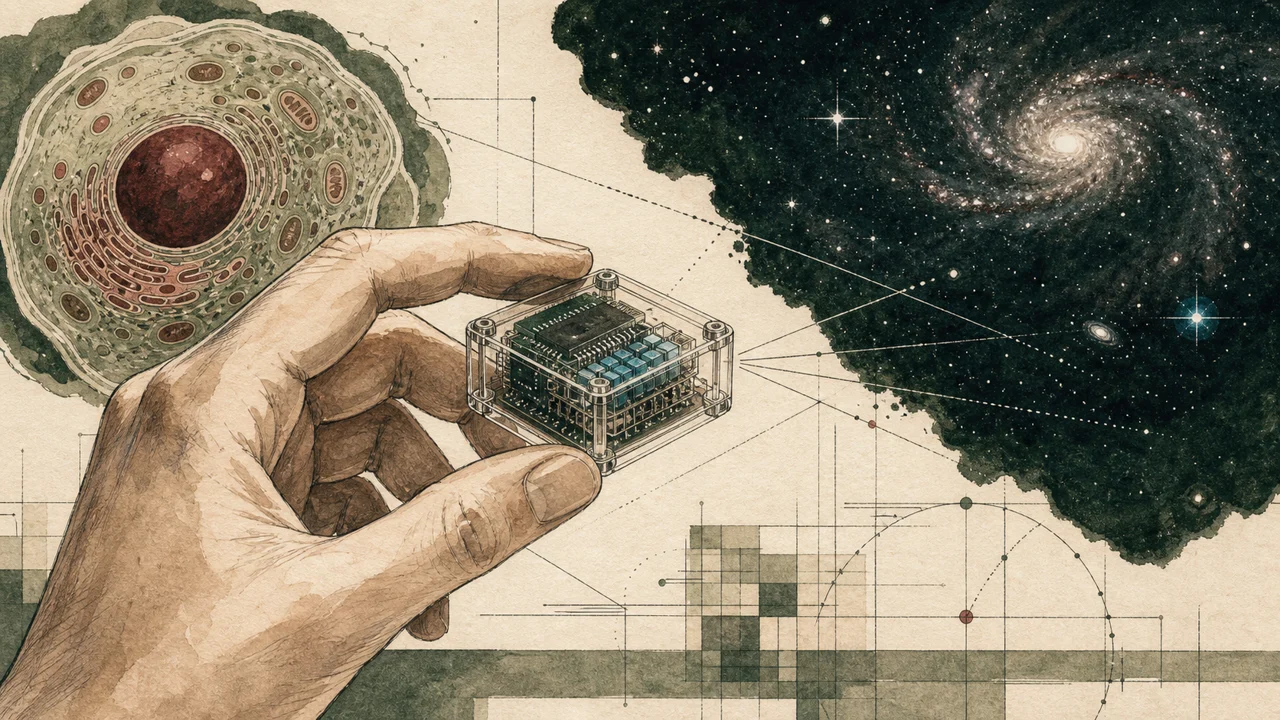
수능 영어에서 “거울뉴런과 사회적 뇌” 주제는 용어 암기에서 끝나지 않고 낯선 지문의 논리를 빠르게 잡는 배경지식이 됩니다. 이 수업은 “다른 사람의 행동을 보기만 해도 관찰자의 몸과 감정이 비슷하게 반응하는 이유는 무엇인가”이라는 질문에서 출발해 영어 원문, 구조 지도, 수능형 추론 문제를 한 흐름으로 연결합니다.
학습 안내
| 항목 | 내용 |
|---|---|
| 추천 대상 | 고3 · CEFR B2-C1 |
| 배경지식 영역 | 과학·기술 |
| 핵심 질문 | 다른 사람의 행동을 보기만 해도 관찰자의 몸과 감정이 비슷하게 반응하는 이유는 무엇인가? |
| 학습 순서 | 개념 미리보기 → 영어 지문 듣기·읽기 → 구조 분석 → 수능형 문제 → 해설 |
| 예상 학습 시간 | 20 min |
Background Preview
사회적 뇌는 타인의 행동과 감정을 자신의 신경 활동으로 모의하며 이해합니다. 선택된 글은 하품, 공포, 통증, 미소처럼 다른 사람에게서 관찰한 경험이 관찰자의 몸과 정서 반응을 일으키는 사례를 제시합니다. 거울뉴런은 ‘보기’와 ‘하기’에서 비슷하게 활성화되어 공감과 사회적 이해의 신경 기반을 설명합니다.
중심 질문: 다른 사람의 행동을 보기만 해도 관찰자의 몸과 감정이 비슷하게 반응하는 이유는 무엇인가?
Read And Listen
Mirrors in Your Thinking [Ⅰ] When we see someone yawn, we yawn too. When we watch a spider crawl up someone’s leg, we get creepy sensations on our leg. When we see someone in danger, we experience a wave of fear. When we see someone’s arm get jabbed with a sharp needle, the muscles in our arms tense up and our breathing intensifies. When we watch our favorite Olympic athlete near the finish line to win first place, our heart races with excitement. [Ⅱ] How can simply observing others lead us to expe– rience such intense responses so similar to those expe– rienced by the people we are observing? The answer is found in our brain cells. A type of neuron, called a mirror neuron, helps explain how we effortlessly “read” other people’s minds and empathize with them — feel what they do. Mirror neurons automatically put us in somebody else’s shoes. Not convinced? Consider brain scan research that finds that romantic partners who observe loved ones in pain show similar activity in their emotional brain areas as that experienced by the loved ones. It turns out that when we empathize with someone’s pain, on some level we actually feel the same pain! [Ⅲ] One fascinating characteristic of mirror neurons is that they are the only brain cells that are activated the same way whether we are “seeing” or “doing.” These special neurons mirror what the other person is doing. For instance, when we see someone smiling, our mirror neurons for smiling get activated, which triggers neural activity leading to feelings associated with smiling, such as happiness. In other words, we get all the benefits of smiling without making even the slightest movement of our lips!
Shadowing Focus
- When we see someone in danger, we experience a wave of fear.
- A type of neuron, called a mirror neuron, helps explain how we effortlessly “read” other people’s minds and empathize with them — feel what they do.
- Mirror neurons automatically put us in somebody else’s shoes.
- One fascinating characteristic of mirror neurons is that they are the only brain cells that are activated the same way whether we are “seeing” or “doing.”
- For instance, when we see someone smiling, our mirror neurons for smiling get activated, which triggers neural activity leading to feelings associated with smiling, such as happiness.
Structure Map
| 요소 | 핵심 내용 |
|---|---|
| Topic | 관찰한 행동과 감정을 공유하게 하는 거울뉴런 |
| Thesis | 거울뉴런은 타인의 경험을 볼 때 관찰자의 관련 신경 회로를 활성화해 공감과 사회적 이해를 돕는다. |
| Evidence | 하품·공포·통증·미소에 대한 신체 반응과 연인의 통증을 관찰한 뇌 영상 연구 |
| Contrast | 실제로 행동하는 경우와 움직이지 않고 관찰만 하는 경우 |
| Concession | 글은 거울뉴런이 공감을 완전히 증명한다고 단정하지 않고 설명을 돕는다고 표현한다. |
| Conclusion | 사회적 뇌는 타인의 상태를 직접 추론만 하는 것이 아니라 부분적으로 모의한다. |
문단별 기능
- Ⅰ: 타인의 경험을 관찰할 때 나타나는 일상적 신체·정서 반응을 나열한다.
- Ⅱ: 거울뉴런을 공감의 신경 기반으로 제시하고 뇌 영상 연구로 뒷받침한다.
- Ⅲ: 보기와 하기에서 같은 방식으로 활성화된다는 특성을 미소 사례로 설명한다.
B2-C1 어휘와 구문
- empathize with: 타인의 감정이나 경험에 공감하다
- put oneself in somebody’s shoes: 다른 사람의 처지에서 느끼거나 생각하다
- brain scan: 뇌의 활동 부위를 영상으로 측정하는 검사
- neural activity: 신경세포와 신경망에서 일어나는 활성
- trigger: 반응이나 과정을 촉발하다
whether we are “seeing” or “doing”: 두 조건에서 같은 활성 방식이 나타남을 대조한다.which triggers neural activity: 앞 문장 전체의 결과를 관계절로 이어 미소 관찰과 행복감을 연결한다.
CSAT Challenge
1. 빈칸 추론
Mirror neurons help explain empathy because they ______.
① activate related neural responses while a person observes another’s experience
② prevent the observer from sharing any physical sensation
③ operate only when the observer performs a visible movement
④ replace all emotional brain areas in romantic partners
⑤ make conceptual reasoning the only route to understanding others
2. 글의 순서
(A) The passage identifies mirror neurons as a neural explanation for shared responses and empathy.
(B) It first presents familiar cases in which observing another person produces bodily or emotional reactions.
(C) It then emphasizes that these cells can activate similarly during seeing and doing.
① (A) - (B) - (C)
② (B) - (A) - (C)
③ (B) - (C) - (A)
④ (C) - (A) - (B)
⑤ (C) - (B) - (A)
3. 함축 의미
Mirror neurons automatically put us in somebody else’s shoes가 의미하는 바로 가장 적절한 것은?
① 타인의 상태를 관찰할 때 관련 신경 반응을 모의해 그 경험을 부분적으로 공유한다.
② 다른 사람의 신발을 실제로 신어야 공감이 시작된다.
③ 타인의 감정을 이해하려면 모든 행동을 직접 따라 해야 한다.
④ 거울뉴런은 관찰자의 감정 반응을 완전히 차단한다.
⑤ 뇌 영상 연구는 관찰과 행동에서 정반대 영역만 활성화됨을 보여 준다.
Answer Lab
정답과 근거 분석 보기
1. 빈칸 추론
정답: ①
- 근거: 사랑하는 사람의 통증을 볼 때 관찰자의 정서 영역에도 비슷한 활동이 나타난다는 연구가 제시됩니다.
- ①: 관찰만으로 관련 신경 반응이 활성화된다는 핵심입니다.
- ②: 글은 오히려 관찰자의 신체·정서 반응을 여러 사례로 보여 줍니다.
- ③: 보기와 하기 모두에서 같은 방식으로 활성화됩니다.
- ④: 거울뉴런은 정서 영역의 유사 활동을 설명하는 한 기제입니다.
- ⑤: 글은 힘들이지 않고 타인의 마음을 읽는 과정을 설명합니다.
2. 글의 순서
정답: ② (B) - (A) - (C)
- 근거: 일상적 반응 사례(B), 거울뉴런과 공감의 설명(A), 보기와 하기의 공통 활성 특성(C) 순서입니다.
- ①: 설명을 사례보다 먼저 둡니다.
- ②: 현상, 신경 기제, 일반 특성의 흐름과 일치합니다.
- ③: 핵심 특성을 설명 기제보다 먼저 제시합니다.
- ④: 일반 특성에서 시작해 사례를 마지막으로 미룹니다.
- ⑤: 설명 기제와 사례의 순서가 바뀝니다.
3. 함축 의미
정답: ①
- 근거: 타인의 통증을 볼 때 비슷한 정서 영역이 활성화되고, 미소를 볼 때 행복과 관련된 신경 활동이 촉발된다고 설명합니다.
- ①: 관찰자가 타인의 상태를 신경 수준에서 부분적으로 모의한다는 의미입니다.
- ②: 관용 표현을 문자 그대로 해석했습니다.
- ③: 글은 움직이지 않고 관찰만 해도 반응한다고 말합니다.
- ④: 여러 사례에서 감정 반응이 촉발됩니다.
- ⑤: 보기와 하기에서 같은 방식의 활성화를 강조합니다.
교사용 설명
글은 거울뉴런이 공감을 전부 설명한다고 단정하지 않고 helps explain이라고 표현합니다. 일상적 현상, 뇌 영상 증거, 설명 기제를 구분하고 과도한 인과 해석을 피하도록 지도하세요.
Knowledge Links
- 인공지능과 기계 사고 - 인간 지능과 기계 수행을 비교하는 기준을 봅니다.
- 튜링 테스트, 중국어 방과 모라벡의 역설 - 이해와 행동의 차이를 사회적 인지와 연결합니다.
- 세포내 공생과 공생 진화 - 세포 수준 협력과 사회 수준 관계망을 비교합니다.
다음: 연역과 귀납
자주 묻는 질문
“거울뉴런과 사회적 뇌” 주제는 수능 영어에서 어떻게 활용되나요?
“다른 사람의 행동을 보기만 해도 관찰자의 몸과 감정이 비슷하게 반응하는 이유는 무엇인가”에 답할 때는 원인과 결과, 대조, 사례, 함축 의미 속에서 거울뉴런과 사회적 뇌의 논리를 따라가야 합니다. 개념명보다 거울뉴런과 사회적 뇌 글의 필자가 어떤 근거로 결론에 도달하는지 표시하세요.
Mirror Neurons and the Social Brain 지문은 어떤 순서로 공부하면 좋나요?
먼저 “다른 사람의 행동을 보기만 해도 관찰자의 몸과 감정이 비슷하게 반응하는 이유는 무엇인가”이라는 중심 질문을 확인하고 영어 지문을 소리 내어 읽습니다. 그다음 거울뉴런과 사회적 뇌 구조 지도를 가리고 Topic, Thesis, Evidence를 직접 적은 뒤 수능형 문제와 해설로 추론이 맞았는지 확인하세요.