수능 영어에서 “확증편향과 인지부조화” 주제는 용어 암기에서 끝나지 않고 낯선 지문의 논리를 빠르게 잡는 배경지식이 됩니다. 이 수업은 “내 믿음이 강할수록 왜 반대 증거를 더 적극적으로 찾아야 하는가”이라는 질문에서 출발해 영어 원문, 구조 지도, 수능형 추론 문제를 한 흐름으로 연결합니다.
학습 안내
| 항목 | 내용 |
|---|---|
| 추천 대상 | 고3 · CEFR B2-C1 |
| 배경지식 영역 | 철학·논리 |
| 핵심 질문 | 내 믿음이 강할수록 왜 반대 증거를 더 적극적으로 찾아야 하는가? |
| 학습 순서 | 개념 미리보기 → 영어 지문 듣기·읽기 → 구조 분석 → 수능형 문제 → 해설 |
| 예상 학습 시간 | 20 min |
Background Preview
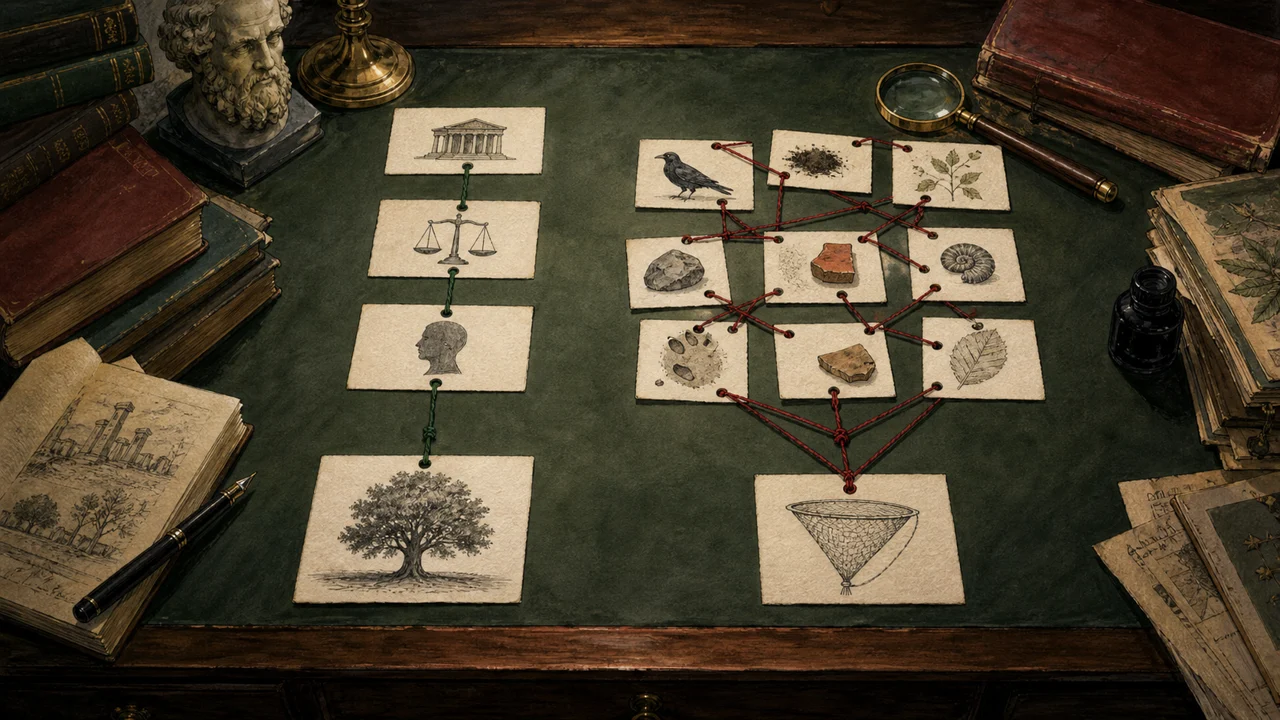
확증편향은 기존 믿음과 맞는 정보는 받아들이고 반대 증거는 예외로 처리하는 경향입니다. 이 선택적 해석은 믿음과 사실의 충돌에서 생기는 불편함을 줄이지만 판단을 왜곡합니다. 글은 체중 감량과 경영 전략 사례 뒤에 다윈의 적극적인 반례 탐색을 해결책으로 제시합니다.
중심 질문: 내 믿음이 강할수록 왜 반대 증거를 더 적극적으로 찾아야 하는가?
Read And Listen
전체 글을 들으며 주장, 근거, 반례 또는 전환을 표시한 뒤 다섯 문장을 따라 읽어 보세요.
Beware The “Special Case” : Confirmation Bias (1) [Ⅰ] Gil wants to lose weight. He selects a particular diet and checks his progress on the scales every morning. If he has lost weight, he pats himself on the back and considers the diet a success. If he has gained weight, he writes it off as a normal fluctuation and forgets about it. For months, he lives under the illusion that the diet is working, even though his weight remains constant. Gil is a victim of the confirmation bias ― albeit a harmless form of it. [Ⅱ] The confirmation bias is the mother of all misconcep– tions. It is the tendency to interpret new information so that it becomes compatible with our existing theories, beliefs and convictions. In other words, we filter out any new information that contradicts our existing views (‘disconfirming evidence’). This is a dangerous practice. ‘Facts do not cease to exist because they are ignored,’ said writer Aldous Huxley. However, we do exactly that, as super–investor Warren Buffett knows: ‘What the human being is best at doing, is interpreting all new information so that their prior conclusions remain intact.’ [Ⅲ] The confirmation bias is alive and well in the business world. One example: an executive team decides on a new strategy. The team enthusiastically celebrates any sign that the strategy is a success. Everywhere the executives look, they see plenty of confirming evidence, while indications to the contrary remain unseen or are quickly dismissed as ‘exceptions’ or ‘special cases.’ They have become blind to disconfirming evidence. [Ⅳ] What can you do? If the word ‘exception’ crops up, prick up your ears. Often it hides the presence of disconfirming evidence. It pays to listen to Charles Darwin: from his youth, he set out systematically to fight the confirmation bias. Whenever observations contra– dicted his theory, he took them very seriously and noted them down immediately. He knew that the brain actively ‘forgets’ disconfirming evidence after a short time. The more correct he judged his theory to be, the more actively he looked for contradictions.
Shadowing Sentences
- He selects a particular diet and checks his progress on the scales every morning.
- If he has lost weight, he pats himself on the back and considers the diet a success.
- If he has gained weight, he writes it off as a normal fluctuation and forgets about it.
- For months, he lives under the illusion that the diet is working, even though his weight remains constant.
- Gil is a victim of the confirmation bias ― albeit a harmless form of it.
Structure Map
| 문단 | 수사 기능 | 핵심 내용 |
|---|---|---|
| 1 | 문제 제기 | 길의 다이어트 사례로 선택적 해석을 보여 준다. |
| 2 | 정의·전개 | 확증편향과 반증 증거를 정의한다. |
| 3 | 논증·사례 | 기업 전략에서 편향이 반복되는 양상을 제시한다. |
| 4 | 결론·확장 | 다윈의 반례 기록 습관을 교정법으로 제안한다. |
- Topic: 확증편향과 인지부조화
- Thesis: 사람은 기존 결론을 보존하도록 정보를 해석하므로 의식적으로 반증 증거를 찾아야 한다.
- Evidence: 체중 변동, 경영진의 성공 신호, 다윈의 기록 습관
- Contrast: 확인 증거의 환영과 무시된 반증 증거
- Concession: 예외가 실제 잡음일 수도 있지만 반복되면 반증 신호일 수 있다.
- Conclusion: 확신이 강할수록 모순을 적극적으로 기록해야 한다.
B2-C1 Vocabulary
| 표현 | 문맥 의미 | 독해 포인트 |
|---|---|---|
| fluctuation | 변동 | 중심 논리와 문장 기능을 표시한다. |
| confirmation bias | 확증편향 | 중심 논리와 문장 기능을 표시한다. |
| compatible | 양립 가능한 | 중심 논리와 문장 기능을 표시한다. |
| conviction | 확신 | 중심 논리와 문장 기능을 표시한다. |
| disconfirming evidence | 반증 증거 | 중심 논리와 문장 기능을 표시한다. |
| contradiction | 모순 | 중심 논리와 문장 기능을 표시한다. |
Syntax Notes
even though his weight remains constant는 성공 믿음과 실제 결과의 양보 대조입니다.The more ..., the more ...는 확신과 반례 탐색 강도의 비례 관계를 나타냅니다.
CSAT Challenge
1. 빈칸 추론
다음 글의 핵심 내용으로 보아 빈칸에 들어갈 말로 가장 적절한 것은?
The passage ultimately argues that __________.
- 제시된 사례 하나만으로 보편 명제를 최종 증명할 수 있다.
- 사람은 기존 결론을 보존하도록 정보를 해석하므로 의식적으로 반증 증거를 찾아야 한다.
- 글의 핵심은 전문 용어의 어원을 암기하는 데 있다.
- 충분한 확신이 있으면 추가 증거는 필요하지 않다.
- 필자는 모든 관찰과 통계 사용을 중단해야 한다고 주장한다.
2. 글의 순서
주어진 글 다음에 이어질 내용의 순서로 가장 적절한 것은?
The writer begins by presenting the central problem.
- (A) Gil selectively interprets changes in his weight.
- (B) The passage defines confirmation bias as filtering evidence.
- (C) Darwin’s search for contradictions is offered as a remedy.
- (B) - (A) - (C)
- (A) - (B) - (C)
- (A) - (C) - (B)
- (C) - (A) - (B)
- (C) - (B) - (A)
3. 함축 의미
다음 구절이 글에서 의미하는 바로 가장 적절한 것은?
They have become blind to disconfirming evidence.
- 인용문은 중심 논증과 무관한 수사적 장식이다.
- 필자는 기존 믿음을 어떤 경우에도 바꾸지 말라고 요구한다.
- 인용문은 한 사례가 모든 반론을 자동으로 제거한다는 뜻이다.
- 경영진이 전략에 반하는 신호를 보지 못하거나 예외로 치부하는 상태가 되었다.
- 인용문은 합리적 판단 자체가 불가능하다는 뜻이다.
Answer Lab
정답과 해설 보기
1. 빈칸 추론
정답: 2
- 근거: 글의 정의, 사례, 결론은 모두 “사람은 기존 결론을 보존하도록 정보를 해석하므로 의식적으로 반증 증거를 찾아야 한다.”라는 판단을 지지합니다.
- 1번: 제한된 사례를 보편적 증명으로 확대하여 글의 경고와 충돌합니다.
- 2번: 중심 개념과 근거의 관계를 모두 포함한 유일한 선택지입니다.
- 3번: 어휘는 논증을 전달하는 수단이지 글의 목적이 아닙니다.
- 4번: 글은 확신보다 증거와 검토를 요구하므로 반대입니다.
- 5번: 글은 관찰을 폐기하지 않고 그 해석 범위를 제한합니다.
- 교사 설명: 사례가 어떤 일반 원리를 지지하거나 제한하는지 한 문장으로 압축하세요.
2. 글의 순서
정답: 2
- 근거: (A)의 출발 관찰 뒤에 (B)의 개념화가 오고, (C)가 의미를 확장하거나 결론짓습니다.
- 1번: 개념을 먼저 두어 (A)가 제공하는 문제 상황의 기반이 없습니다.
- 2번: 문제 제기 → 개념 설명 → 결론의 전개가 원문의 논리와 일치합니다.
- 3번: 결론 성격의 (C)가 개념 설명 (B)보다 먼저 나옵니다.
- 4번: 결론에서 시작한 뒤 사례로 돌아가 글의 전진성이 끊깁니다.
- 5번: 결론과 개념을 모두 선행시켜 최초 관찰의 역할을 잃습니다.
- 교사 설명: 각 문장의 내용보다 문제 제기·정의·결론의 기능을 먼저 표시하세요.
3. 함축 의미
정답: 4
- 근거: 인용구는 “경영진이 전략에 반하는 신호를 보지 못하거나 예외로 치부하는 상태가 되었다.”라는 글의 핵심을 압축합니다.
- 1번: 인용구는 중심 논증을 요약하므로 장식이 아닙니다.
- 2번: 글은 기존 믿음의 무조건적 보존을 지지하지 않습니다.
- 3번: 단일 사례의 효력을 과장한 해석입니다.
- 4번: 앞뒤의 근거와 논리적 함의를 정확히 연결합니다.
- 5번: 판단의 한계를 말하는 것과 판단이 불가능하다는 것은 다릅니다.
- 교사 설명: 인용구를 앞뒤 문장의 인과·대조 관계 속에서 한국어 평서문으로 바꾸세요.
Knowledge Links
Related Locked Topics
- 통계적 유의성과 인과 오류 (
philosophy-logic-05) - 도박사의 오류와 확률 판단 오류 (
philosophy-logic-07) - 입증 책임과 논증의 질 (
philosophy-logic-08)
Series Navigation
- 이전: 통계적 유의성과 인과 오류 (
philosophy-logic-05) - 다음: 도박사의 오류와 확률 판단 오류 (
philosophy-logic-07)
자주 묻는 질문
“확증편향과 인지부조화” 주제는 수능 영어에서 어떻게 활용되나요?
“내 믿음이 강할수록 왜 반대 증거를 더 적극적으로 찾아야 하는가”에 답할 때는 원인과 결과, 대조, 사례, 함축 의미 속에서 확증편향과 인지부조화의 논리를 따라가야 합니다. 개념명보다 확증편향과 인지부조화 글의 필자가 어떤 근거로 결론에 도달하는지 표시하세요.
Confirmation Bias and Cognitive Dissonance 지문은 어떤 순서로 공부하면 좋나요?
먼저 “내 믿음이 강할수록 왜 반대 증거를 더 적극적으로 찾아야 하는가”이라는 중심 질문을 확인하고 영어 지문을 소리 내어 읽습니다. 그다음 확증편향과 인지부조화 구조 지도를 가리고 Topic, Thesis, Evidence를 직접 적은 뒤 수능형 문제와 해설로 추론이 맞았는지 확인하세요.